Karen never imagined she would need food relief. She was a police officer, her husband Sean was a police officer, and together they had built what looked like a secure life. Then one accident, one diagnosis, and a season they never prepared for changed everything. In the video below, Karen shares her story in her own words and challenges the myth that food insecurity only affects “other people”. It can happen to anyone.
Karen became a police officer in 1994, when she was 30. She met her husband Sean while working in the police during the floods in Charleville.
“We worked together,… (Sean) was in charge of the motorbike section there” she says.

Like many couples, they wanted a family. After seven years of IVF, it still had not happened.
“When we hadn’t for seven years, we thought it’s not going to happen to us. We’re going to be DINKs. Double income, no kids.”
With two stable incomes, they made big decisions.
“Let’s buy this gigantic big house and go into a great amount of debt, which we did.”
Then, on their very last round of IVF, everything changed.
“We were lucky enough to get a baby. And Nathan, gift from God. That’s what the name means.”
When Nathan was two years old, Karen and Sean received another life altering diagnosis.
“When he was two, we found out that he was autistic, which was really hard.”
Karen stayed home to care for Nathan. Sean worked longer and longer hours to keep everything afloat.
“Sean was working lots of hours… lots of overtime every week to pay for Nathan’s therapy and just our bills.”
They were managing. Just.
Then came the accident.
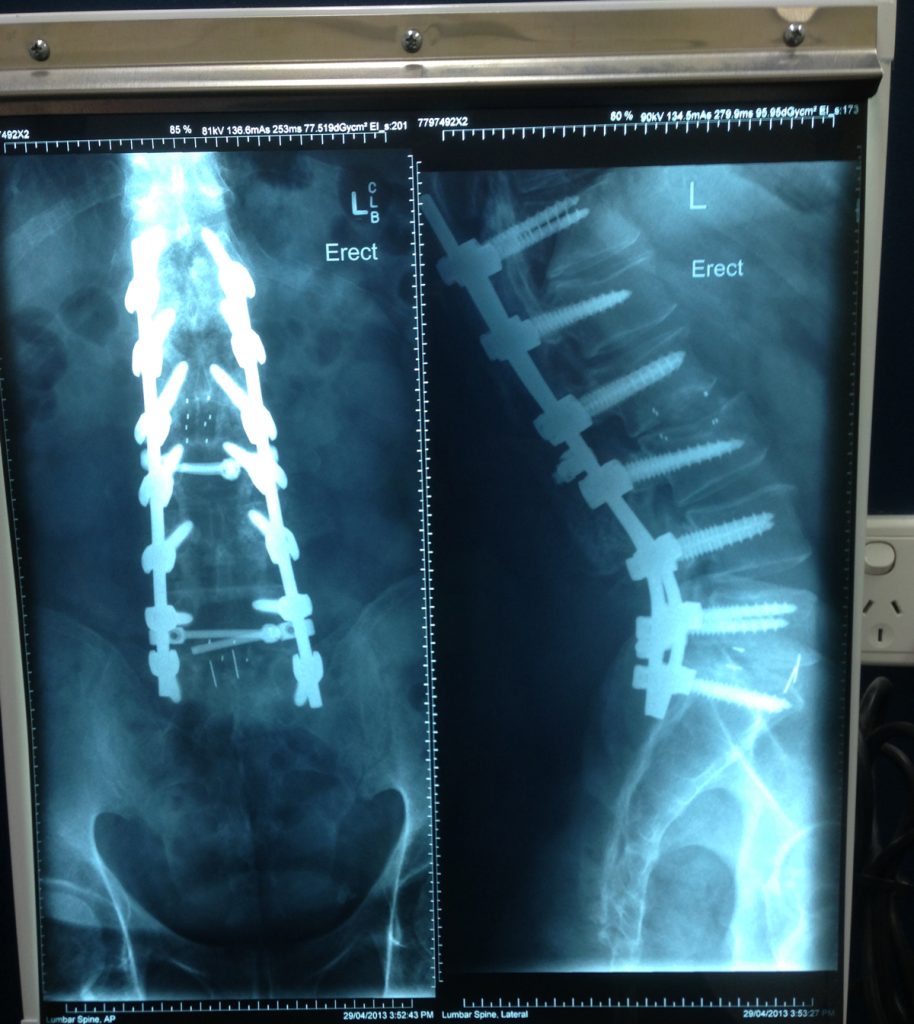
Sean was riding his police motorcycle on the M1 at Daisy Hill, helping an ambulance through traffic to a truck rollover.
“He was run off the road… went into some road works and lost control of the motorbike and hit the cement wall.”
The injuries were severe.
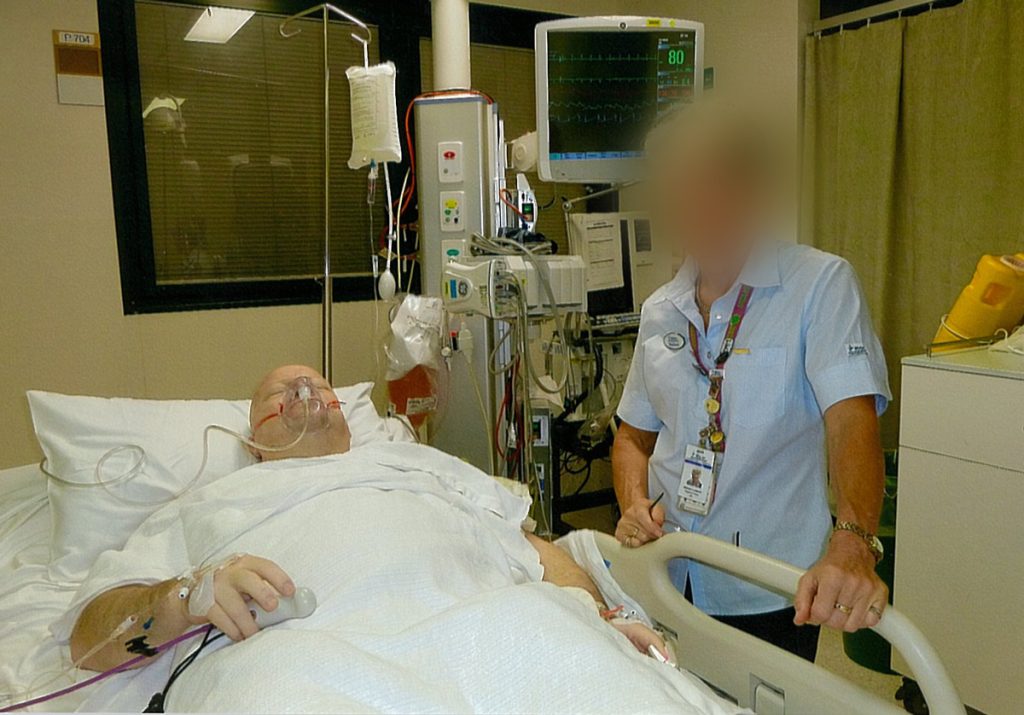
“He broke his back and destroyed eight or nine discs in his back.”
After two years, doctors made the decision.
“They decided that he was not going to ever be employable again.”
What followed was not sudden collapse, but a slow and painful unraveling.
“We were really struggling. We’d spent all of our savings, booked up our cards just trying to keep going.”
The mortgage did not stop. Therapy did not stop. Medical needs did not stop.
“So we got into a really dark and ugly place where we had no money.”
That is when Karen walked through the doors of Lighthouse Care.
“I came here and they helped.”
What stood out was not just the food.
“Deb came up to me and just started talking and made me feel welcome and made me feel like I wasn’t alone and I didn’t have to be embarrassed.”
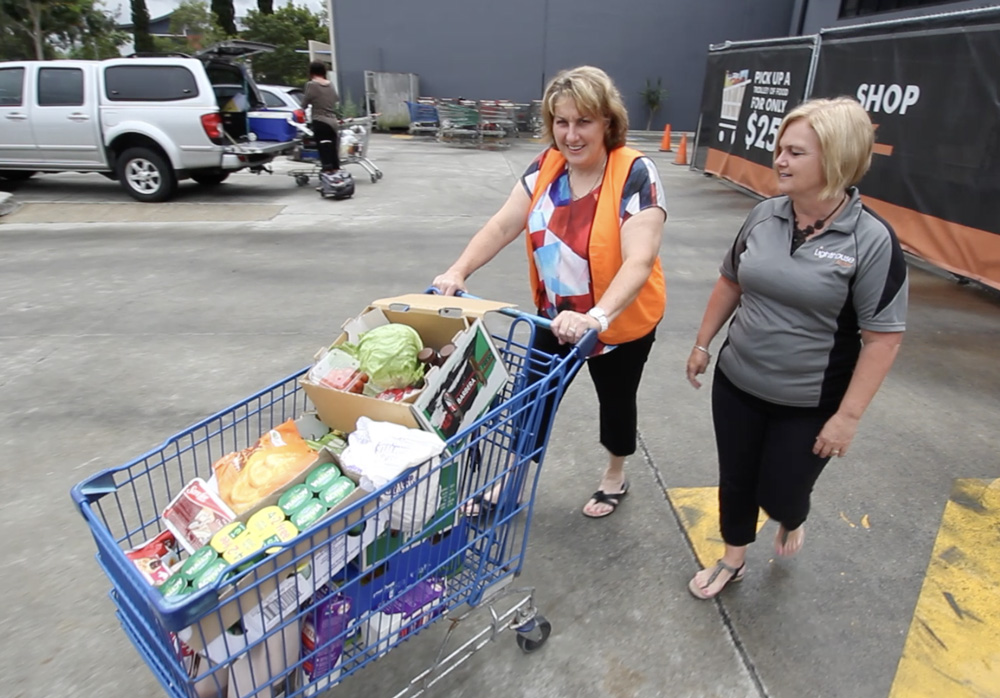
Karen was given a trolley of groceries.
“They gave me a trolley and I didn’t even have to pay for it, which was amazing. I couldn’t believe it.”
Over time, Lighthouse Care became more than a place to get food.
“Every time I come here, I get support. I’ve made friends.”
“I volunteered to come in and pack groceries on the weekend and help.”
Her experience challenged assumptions she once held.
“You always associate places where they give out food and clothing… as where the people that just can’t be bothered working go to, and it’s wrong.”
What she saw instead was a reflection of real life.
“I’ve seen people here who drive the fanciest cars, but their business has gone under.”
The common thread was dignity.
“They can come here and not be judged.”
Karen’s message is simple, honest, and powerful.
“Our community needs this place.” “If anyone can support it, they really should, because what they’ve done for my family is amazing.”
Karen’s story reminds us of a truth many people only learn when life forces it into view.
It can happen to anyone.